
Mid-year is where inventory strategy either sharpens—or starts slipping.
For work truck and RV dealers, the first half of the year usually reveals clear patterns. Certain SKUs move consistently. Others sit. Some platforms dominate. Others surprise you. By June or July, you’re no longer guessing. You have data.
The question is whether you’re using it to tighten your suspension assortment strategy before the busy late-summer and fall selling cycles.
Suspension products, especially load support solutions, require a different planning approach than cosmetic or accessory-driven categories. They solve functional problems. That means your stocking decisions should align directly with the types of vehicles and weight profiles moving through your business.
Before adjusting inventory, step back and evaluate:
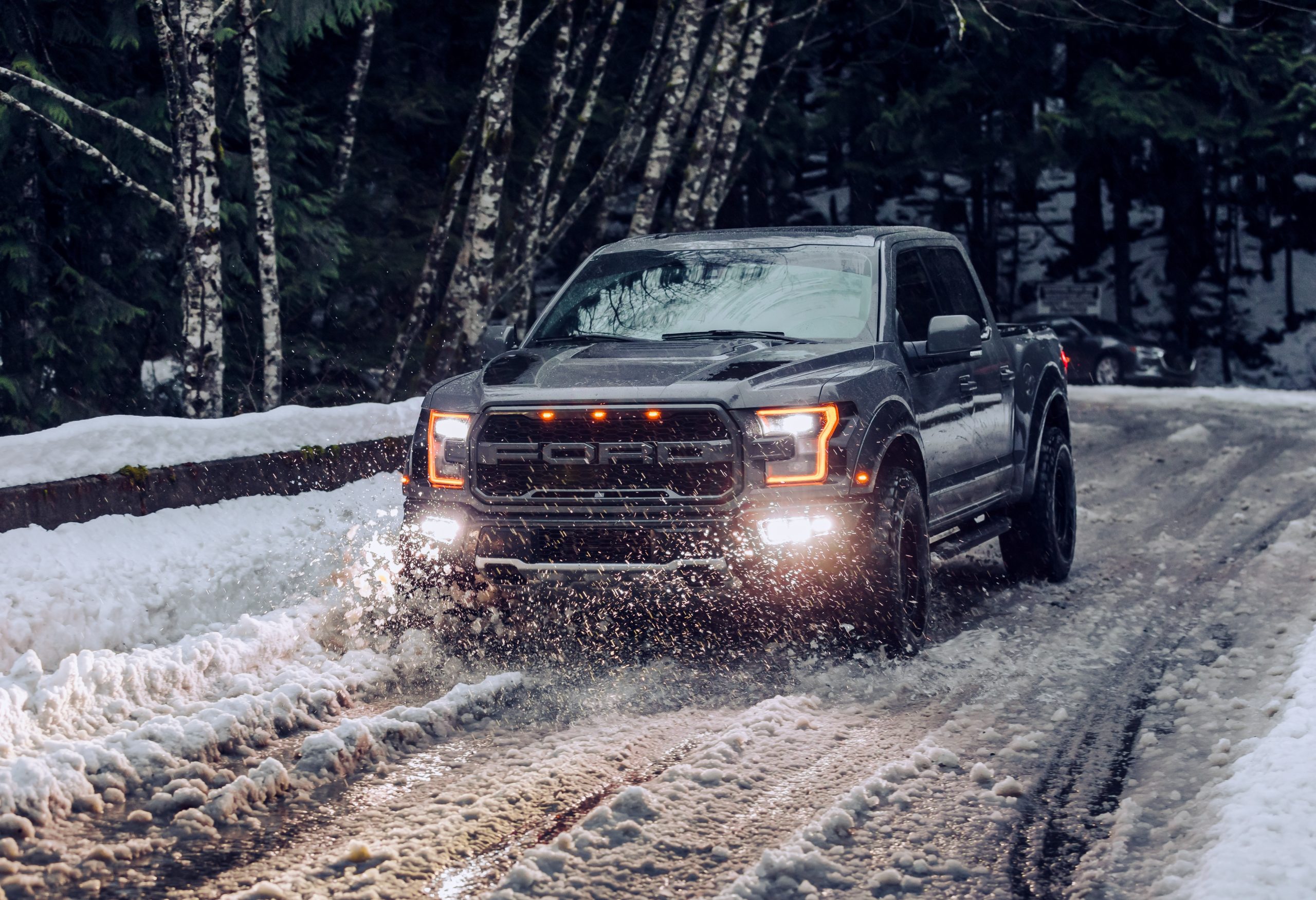
For work truck dealers, F-250/350, Silverado 2500/3500, and Ram 2500/3500 platforms often dominate suspension demand. For RV dealers, Class B and Class C platforms tend to drive load support upgrades.
If rear sag, sway, or stability concerns are common during delivery walk-throughs, that’s a signal your assortment should lean into mechanical load support solutions.
Inventory should follow real-world vehicle movement—not assumptions from January.
Suspension upgrades aren’t impulse buys. They’re problem-driven purchases tied to:
For work truck dealers, customers expect their vehicle to be ready for real payload from day one. For RV dealers, buyers are increasingly aware of sag and sway once the unit is fully equipped.
That makes load support products a high-value category when properly stocked and positioned.
Mechanical helper springs and load reinforcement systems offer consistent demand because they address permanent weight, not temporary use.
SuperSprings International manufactures mechanical suspension solutions designed specifically for commercial and RV applications. For dealers, these types of products provide predictable fitment coverage across common platforms.
Mid-year planning is the time to ensure your high-turn fitments are available when customers need them.
Work truck dealers should prioritize fitments tied to:
Rear sag under load is one of the most common complaints in these segments. Mechanical helper spring systems that integrate with factory leaf packs allow dealers to offer a durable, low-maintenance upgrade without adding operational complexity.
Key mid-year planning considerations include:
The goal isn’t to carry everything. It’s to carry what turns.
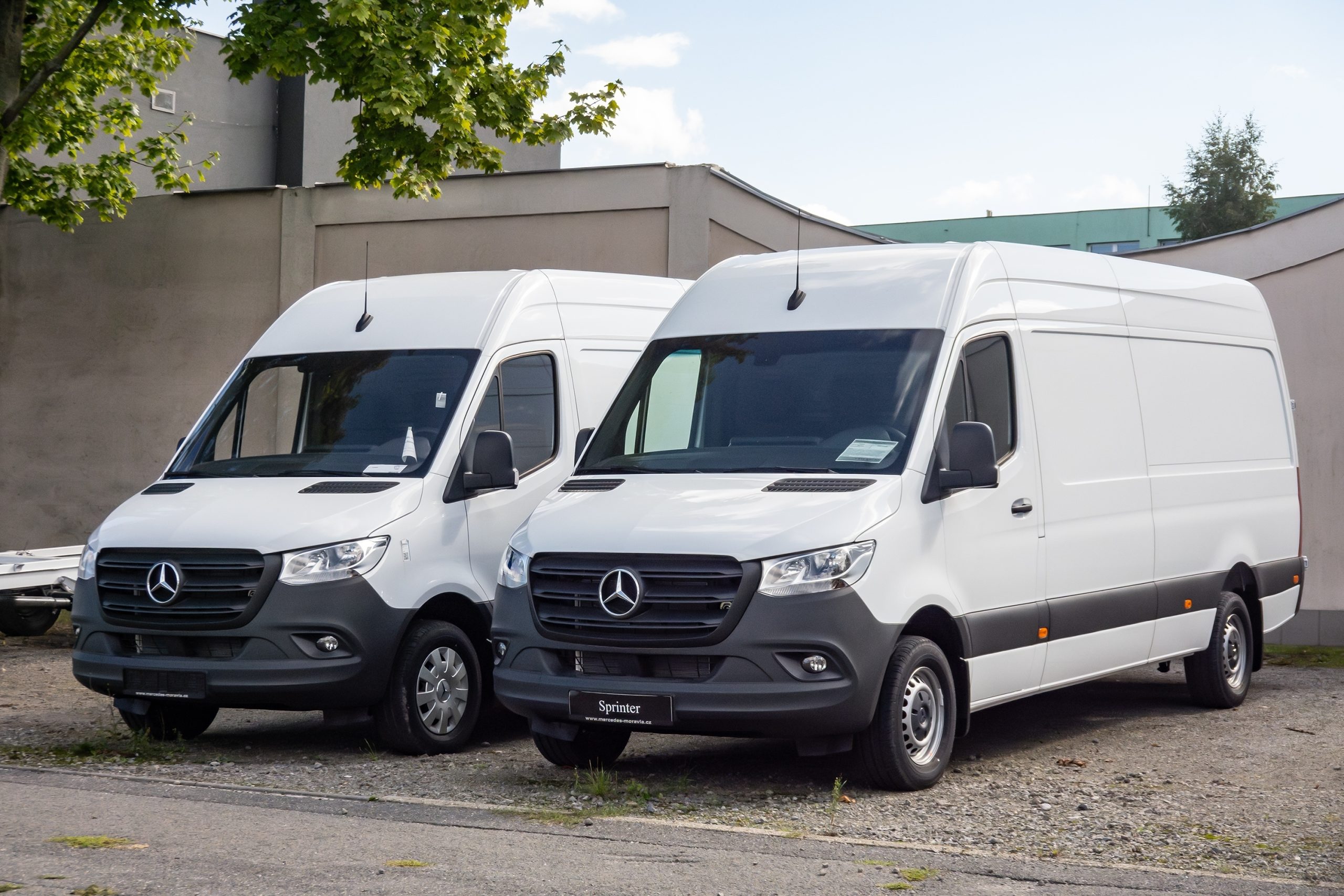
Class B RV and van-based motorhome platforms continue to operate near GVWR once built out. That creates predictable suspension demands.
Dealers should assess:
Rear sag and crosswind instability are common discussion points during RV delivery and after initial road trips. Mechanical suspension reinforcement allows dealers to address those concerns proactively.
Mid-year assortment planning should prioritize:
Standardizing a small group of reliable SKUs often outperforms carrying a wide assortment of low-volume items.
When planning suspension inventory, complexity matters.
Mechanical helper springs provide:
For dealers, that simplicity reduces installation time, limits callbacks, and simplifies training for technicians.
Adjustable air-based systems can serve variable-load customers, but they introduce additional components and service considerations. If the majority of your buyers carry consistent weight, mechanical load support typically offers a more predictable long-term solution.
Inventory decisions should reflect how your customers actually use their vehicles.
Mid-year is also the right time to trim excess inventory. Review:
If certain SKUs require excessive tech time or generate recurring support calls, that impacts profitability.
Conversely, high-turn, low-maintenance suspension products often deliver strong margin consistency with minimal service overhead.
Work truck and RV suspension upgrades should contribute to profitability—not drain resources.
Late summer and early fall often bring renewed activity:
If core suspension fitments aren’t on the shelf when demand spikes, the sale often goes elsewhere.
Mid-year planning ensures you’re stocked on proven load support solutions before the next cycle hits.
Strategic assortment management isn’t about expanding inventory. It’s about refining it.
Suspension inventory should reflect real vehicle movement, real payload patterns, and real customer concerns.
Work trucks and RV builds operate under consistent weight. Supporting that weight reliably is not optional—it’s expected. Dealers who align their mid-year assortment strategy with those realities position themselves for stronger margins and fewer service complications in the second half of the year.
When inventory matches actual application demand, suspension sales become steady contributors rather than reactive add-ons.


 English English
 Spanish
 French
 German
 Italian English English Spanish
French
German
Italian

Suscríbase a nuestra lista de correo electrónico para recibir las últimas noticias, consejos, entradas del blog y ofertas.